Caring for Forests and Preventing Fires: A Community Guide by The Wattle Company
Forests are vital ecosystems that support biodiversity, regulate climate, and provide resources for communities. However, they are increasingly threatened by wildfires, which can devastate both the environment and livelihoods. At The Wattle Company, a leader in sustainable forestry management, we believe that communities play a crucial role in safeguarding forests. Here are some actionable steps and best practices to care for forests and reduce the risk of wildfires.
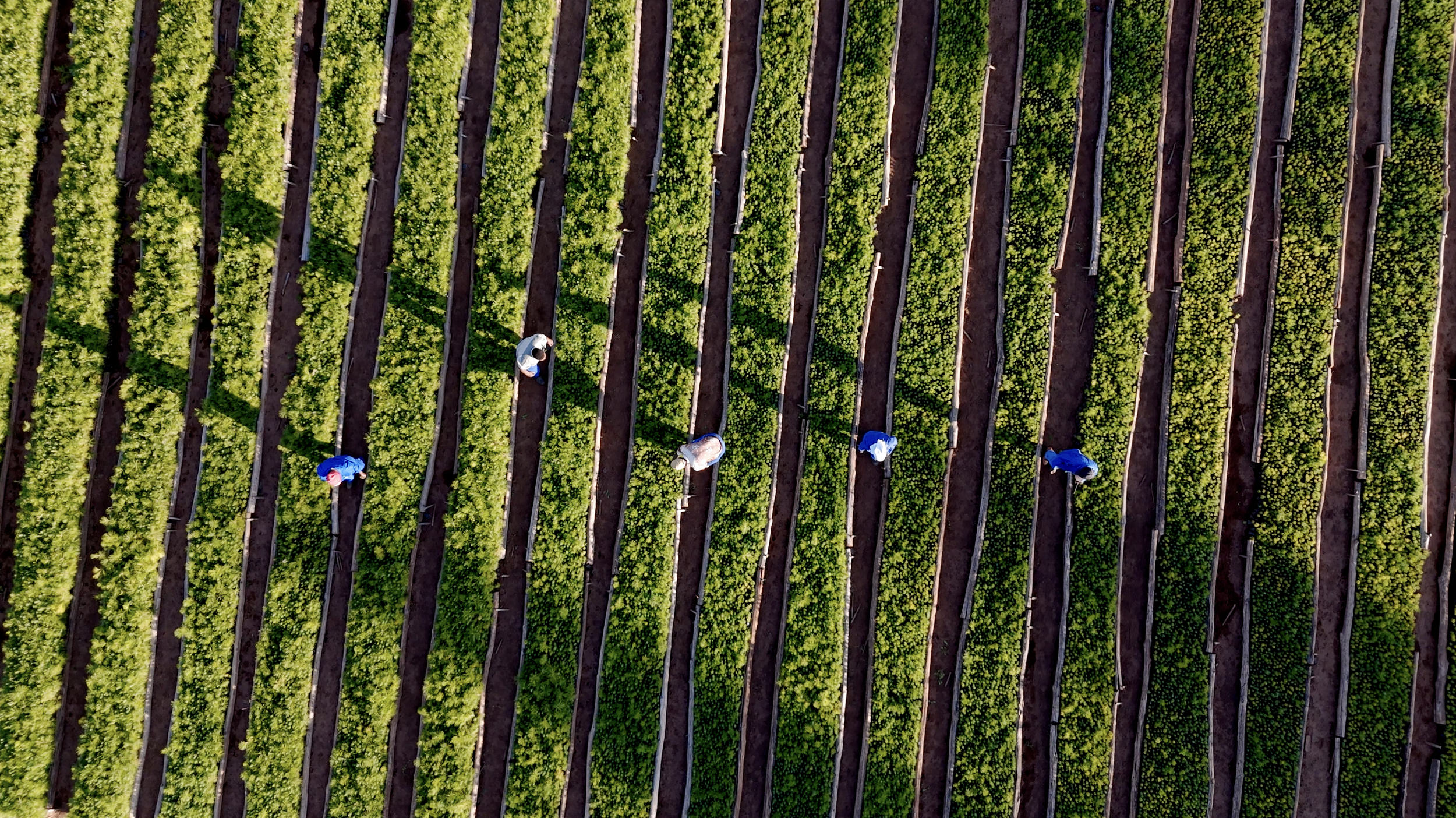
1. Community-Based Forest Management
Empowering local communities to manage forests sustainably is a proven way to maintain healthy ecosystems while meeting livelihood needs. Key principles include:
Adaptive Learning: Educate community members about forest boundaries, resources, and sustainable practices. Training programs can help build skills and confidence in forest management.
Effective Governance: Establish clear decision-making processes involving all stakeholders to ensure transparency and accountability.
Property Rights: Define long-term access rights to forest resources to encourage responsible stewardship.
2. Fuel Management and Fire Prevention
Reducing the risk of wildfires requires proactive measures to manage vegetation and fire hazards:
Vegetation Control: Use tools like brush cutters to clear dense undergrowth and reduce fuel loads in fire-prone areas.
Tree Spacing: Plant trees with adequate spacing to limit the spread of fires. For example, evergreens should be spaced 1.8–3 meters apart.
Prescribed Burning: Conduct controlled burns to reduce accumulated dry vegetation, which can act as fuel for wildfires. This method has been successfully implemented in regions like Australia to maintain forest health.
3. Creating Fire-Safe Zones
Communities living near forests should take precautions to protect homes and infrastructure:
Defensible Space: Clear flammable vegetation within 30 meters of homes and buildings. Prune lower tree limbs and remove debris from gutters.
Fire-Resistant Materials: Use non-flammable roofing materials and avoid storing firewood close to buildings.
Access for Firefighters: Ensure roads are clearly marked and accessible for emergency vehicles.
4. Monitoring and Early Detection
A robust monitoring system can help detect fires early and prevent them from spreading:
Community Patrols: Organize local groups to monitor forested areas during high-risk seasons.
Technology Integration: Utilize drones or satellite imagery for real-time fire detection.
Emergency Plans: Develop evacuation routes and train community members on how to respond during a wildfire.
5. Sustainable Forestry Practices
Sustainable forestry not only protects the environment but also supports economic development:
Selective Harvesting: Avoid clear-cutting; instead, harvest trees selectively to maintain ecological balance.
Value Addition: Invest in technologies that add value to forest products, such as treated timber or tannin extracts, which are specialties of The Wattle Company.
Reforestation: Replant trees after harvesting to ensure continuous forest cover.
6. Collaboration with Experts
Partnering with forestry professionals can enhance community efforts:
Seek guidance from certified foresters or arborists for tree care, pest management, and risk assessments.
Collaborate with organisations like The Wattle Company, which has decades of experience in sustainable forestry management.
Conclusion
At The Wattle Company, we are committed to fostering sustainable forestry practices that benefit both the environment and local communities. By implementing these best practices—ranging from community-based management to fire prevention strategies—communities can play an active role in protecting their forests for future generations.
Let’s work together to ensure our forests remain vibrant, resilient, and safe from the threat of wildfires.